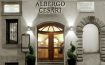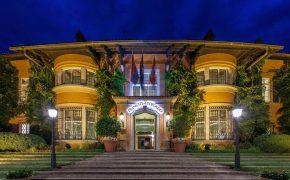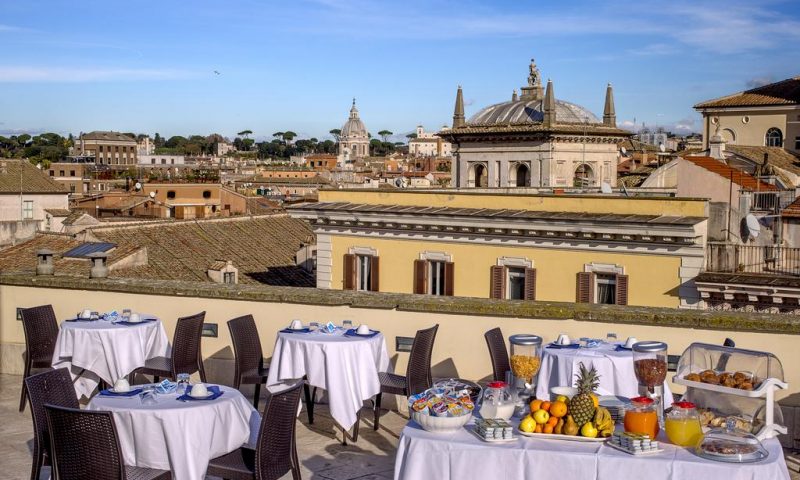
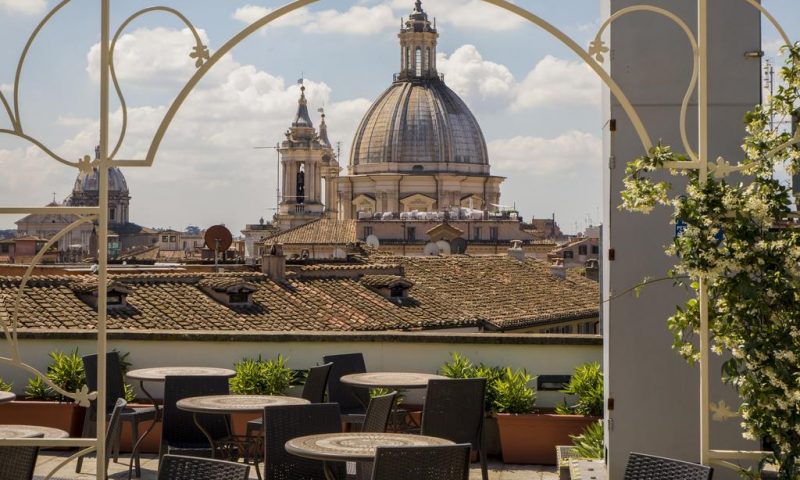
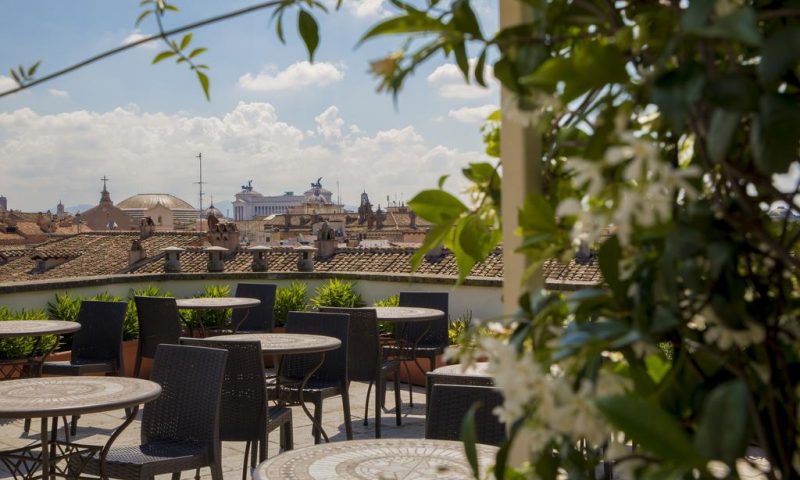

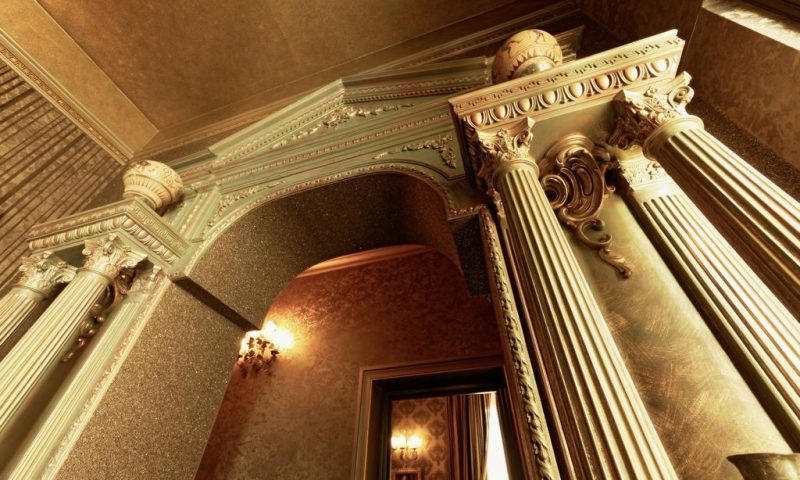
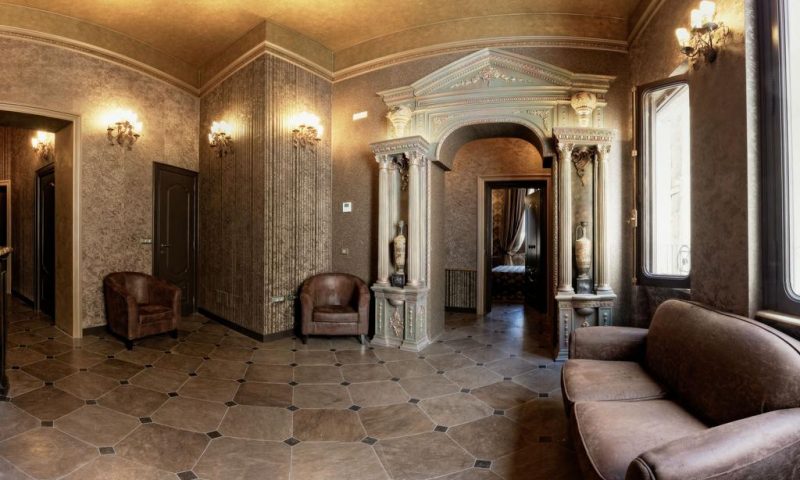
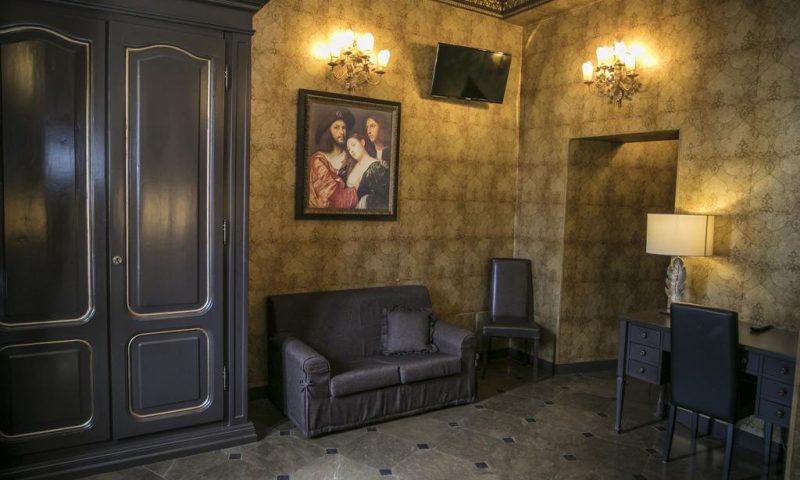
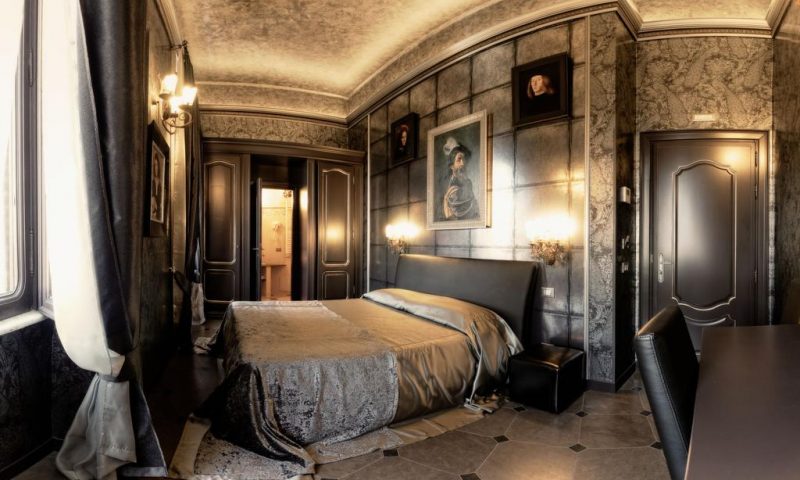
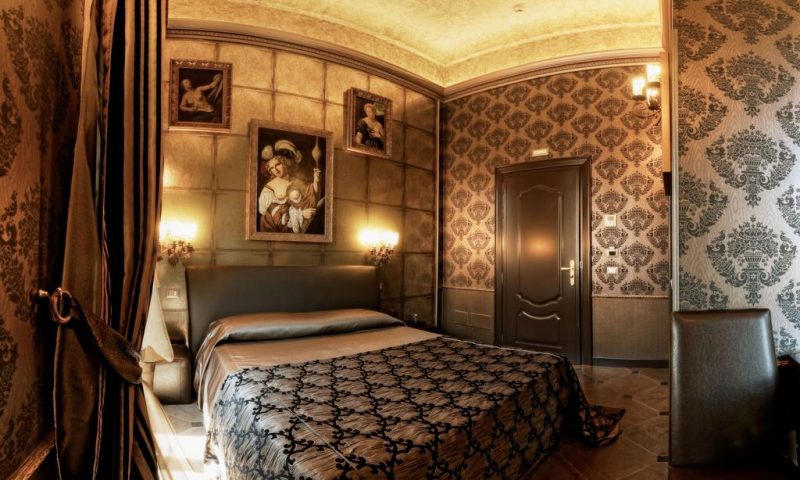
The Antica Dimora De Michaelis takes it’s name from Cesare Borgia’s mistress, the famous courtesan Fiammetta De Michaelis, who lived in a house nearby. The Dimora re-presents in fact, the sensual atmosphere belonging to the typical houses of prelates of the magnificent papal court prior to the Counter-Reformation, and to the sumptuous residences of the refined and cultured courtesans of the period.
Via dei Coronari was the main arterial street for pilgrims heading towards St. Peter’s Basilica. It was the street in which crowns of statues of saints and of the Madonna found in the thousands of roman churches were made, and also the street in which, the sophisticated alcoves of these refined women gathered and modelled in great painter’s workshops, allowing their face to be portrayed for saints in ecstasy of the Holy Roman imagination.
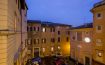
These atmospheres full of references to the past can still be felt in the six suites of this mansion. The Antica Dimora De Michaelis is located in the heart of the historic renaissance centre, just one hundred metres from Piazza Navona. The mansion is situated inside a building which stands near the Chiostro del Bramante and within walking distance of many of Rome’s Baroque architectural masterpieces.
Via dei Coronari is only a few metres away from many of the most famous roman landmarks and places of worship, such as Piazza Navona, the Pantheon, St. Peter’s Basilica, the Spanish Steps at Piazza di Spagna, St. Angelo’s Castle.
Two very important places are situated directly behind the ‘Antica Dimora De Michaelis’ and can visited: the Church, Our Lady of Peace (Santa Maria della Pace) and the Chiostro del Bramante.
Santa Maria della Pace was built on the the foundations of a pre-existing chapel dedicated to St. Andrew de Aqua Icariis in 1482, commissioned by Pope Sixtus IV. The church was rededicated to the Virgin Mary to remember the bleeding of an image of the Madonna which is believed to have occurred in this sacred place.
Between 1656 and 1667 Pope Alexander VII had the edifice restored by Pietro da Cortona, who in order to push the façade forward had several houses demolished, creating a Trapezoid space almost to fill it’s tiny piazza and simulate a theatrical set, placing this piece among the main Roman Baroque great works of art.
Besides the numerous paintings and sculptures by various artists from the seventeenth century, along with Raphael’s frescoes, who is said to have received instructions from the Angels to create “Le Quattro Sibille”, a prominent element is most certainly the Choistro del Bramante.
The Chiostro was commissioned in 1500 and was one of the marchigiano architect’s early roman works. Round arches, pillars and columns, Corinthian and Ionic elements adapted to the stiff roman architecture make this is one of the most important works of the Italian Renaissance. Nowadays, the Bramante also hosts important art exhibitions.
VIA DEI CORONARI
Opened by Pope Sixtus IV Francesco della Rovere under the name “Via Recta” it passes the tangent Stadium Domitian, now known as Piazza Navona. Later, during the Middle Ages it was called “Via di Tor Sanguigna” and finally “dei Coronari” indicating the multitude of vendors selling sacred objects, known as paternostrari, stationed along the road that brought the pilgrims to St. Peter.
It is one of the most beautiful streets in Rome where three different architectural styles coexist: the Middle Ages, the Renaissance and the Baroque as indelible signs of a rich history. The house of Fiammetta De Michaelis is the most important example of baroque architecture, the courtesan known for being Cesare Borgia’s mistress, Cardinal and leader who inspired Machiavelli while writing the Principe.
Nowadays the road shines as if it were a permanent exhibition, pac-ked with furniture, lamps, statues and antiques of all sorts in many of the renowned antique shops.
SERVICES
The prestigious suites of the Antica Dimora De Michaelis are provided with the best services and will accompany you during your stay in Rome with all the best amenities. The luxurious rooms have an anti-chamber, a sleeping area and a bathroom with Jacuzzi. The recent renovation works on the building have also included the installation of a private lift that leads directly to the rooms.
These First Class Accommodations are fully immersed in a renaissance atmosphere in one of the most historic and picturesque streets of the Capital, at the back of Piazza Navona and within just five minutes walk from both St. Peter’s Basilica and St. Angelo’s Castle.
To get around Rome, you can reach Lungotevere, just a few metres away from the building. This is an essential road, which will allow you to travel across Rome and connect you to all the areas in the city.
Rooms: 15
Price: from 99 EUR per night
——————————————————————————
Write us to receive our best offer for the
ANTICA DIMORA DELLE CINQUE LUNE
——————————————————————————
Source: www.ilburcardo.com
Deals of the day
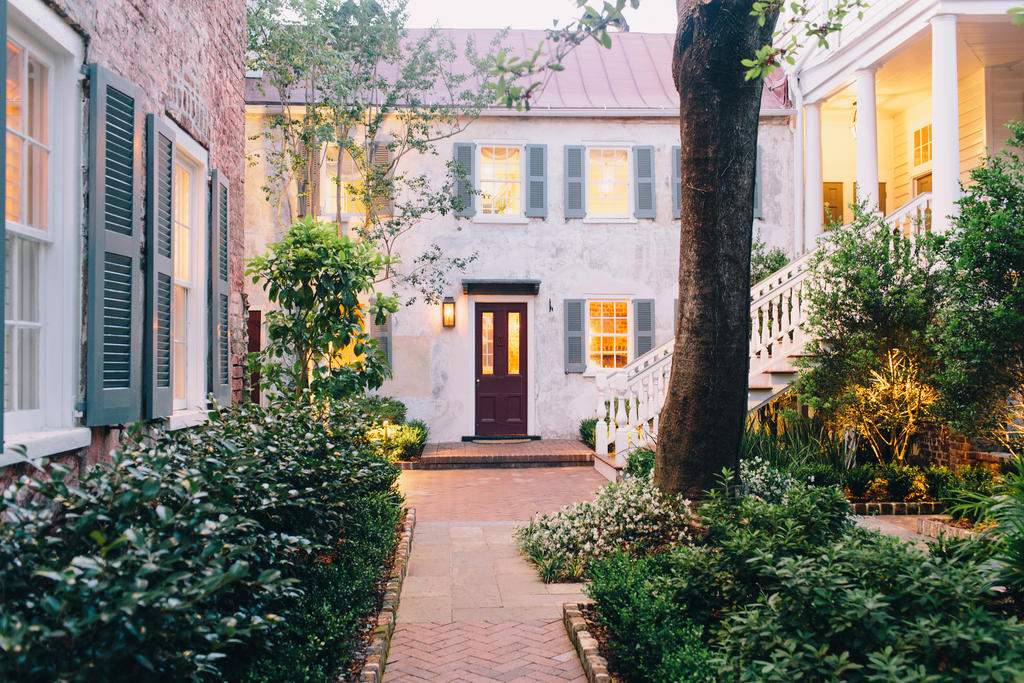
George Zero Street Charleston
Named after our actual street address, Zero George is comprised of sixteen lush guest rooms and studios in three painstakingly restored historic residences and two brick carriage houses that surround our private garden courtyard. We’ve infused it all with a sense of intimacy and warm personality, honoring the buildings’ solid 1804 bones and graceful architecture with measured, timeless design. At Zero George, you’ll…
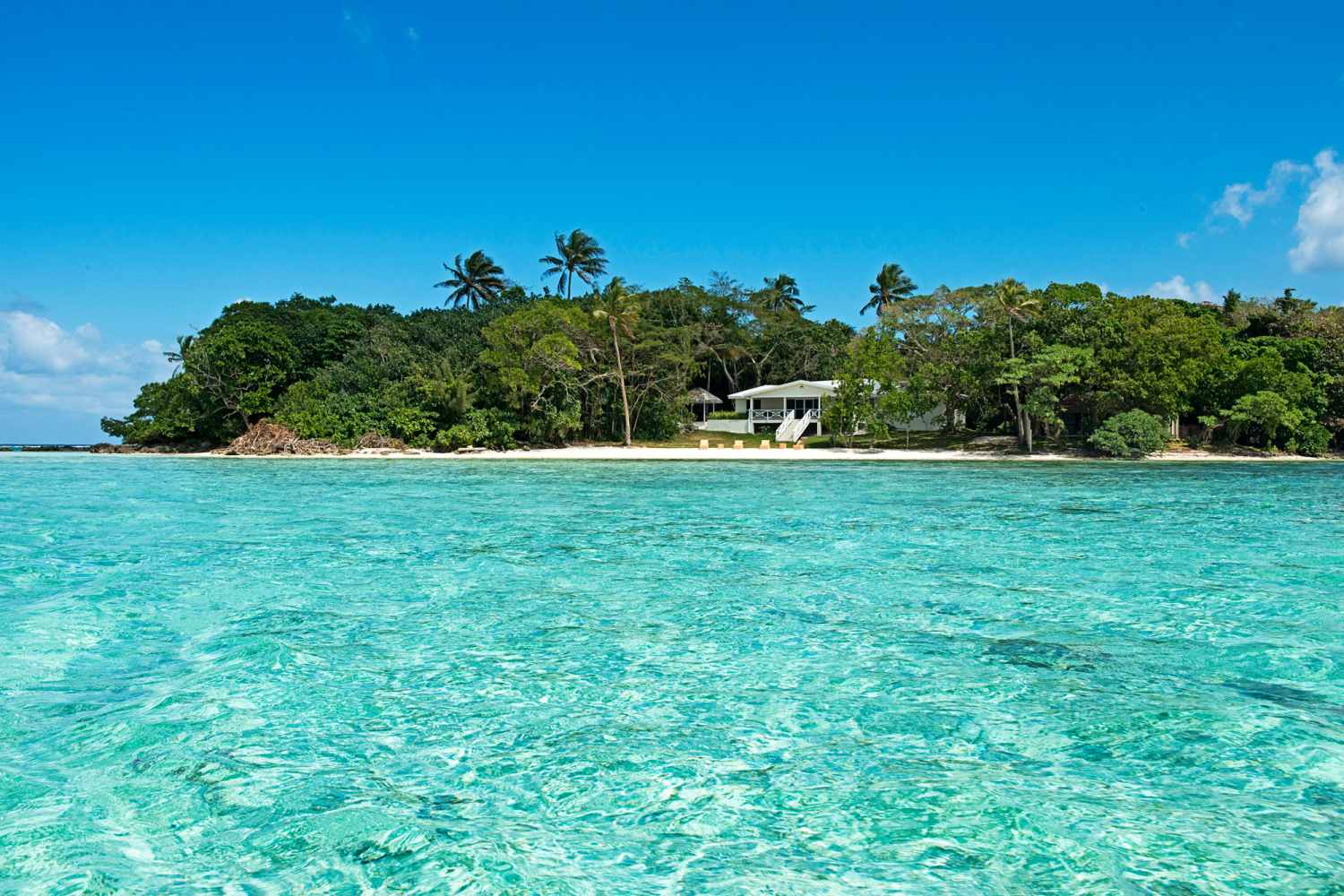
Erakor Island Resort & Spa Vanuatu
We look forward to sharing our culture, our customs and our beautiful smol aelan (small island) with you. Whether you are coming for a family holiday, reunion, tropical wedding, honeymoon, friends’ get-together or a relaxing break, we look forward to meeting you and sharing our culture and customs, along with plenty of Vanuatu smiles! There is so much to do and enjoy on this fabulous little island and when you…
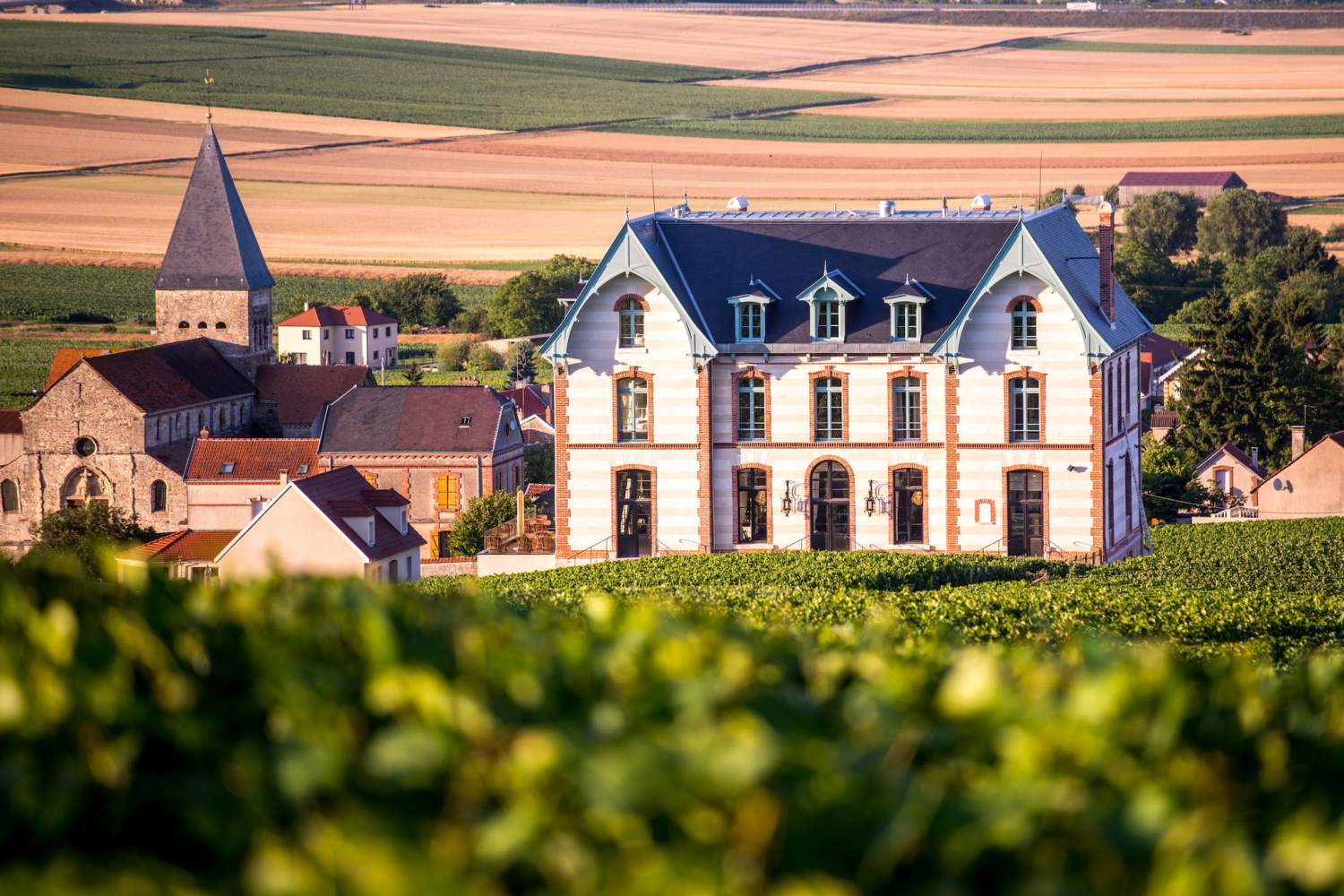
Chateau De Sacy Reims
The Chateau de Sacy, surrrounded by vineyards on the outskirts of Reims, dates back in its original state to the middle of the 19th century, but in its present form it’s been thoroughly transformed — the Château de Sacy is a fantasy more romantic than the real thing, a luxe and lavish 12-room hotel that incorporates a multitude of historical styles, and a bit of modernity as well. The spa includes barrel-style hot tubs with…
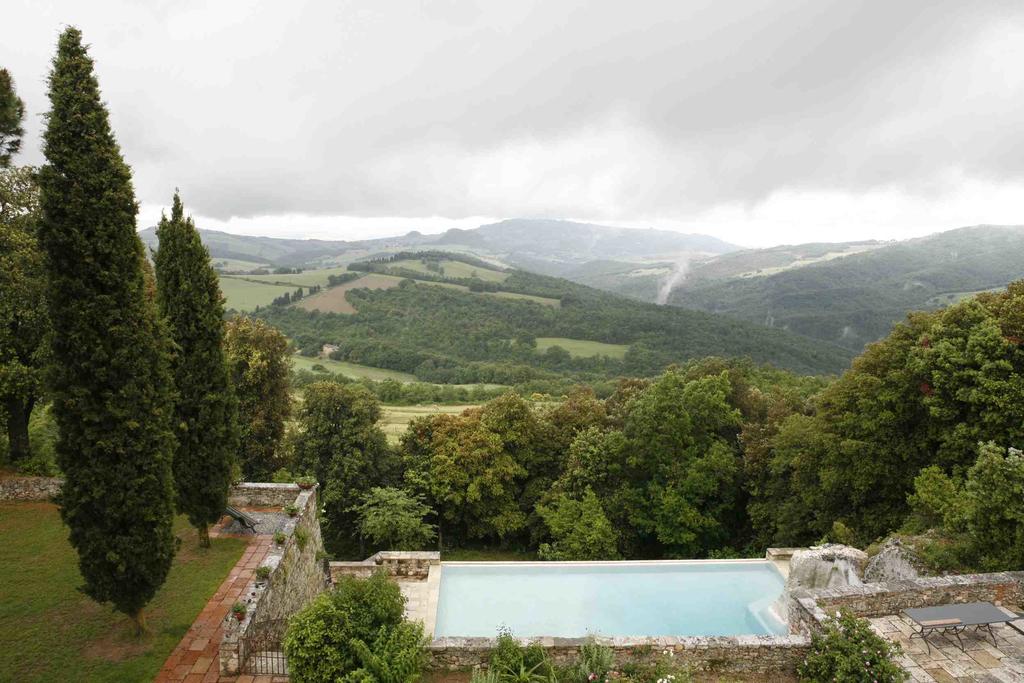
Borgo Pignano Volterra
Deep in the heart of historic Tuscany lies an enchanting haven of peace and tranquillity. At Borgo Pignano you will discover a beautifully restored country estate offering an exclusive combination of elegant accommodation, exceptional comfort and gracious hospitality. Borgo Pignano is an elegant country estate in the heart of the Tuscan countryside, just a short drive from the historic, hill towns of Volterra and…
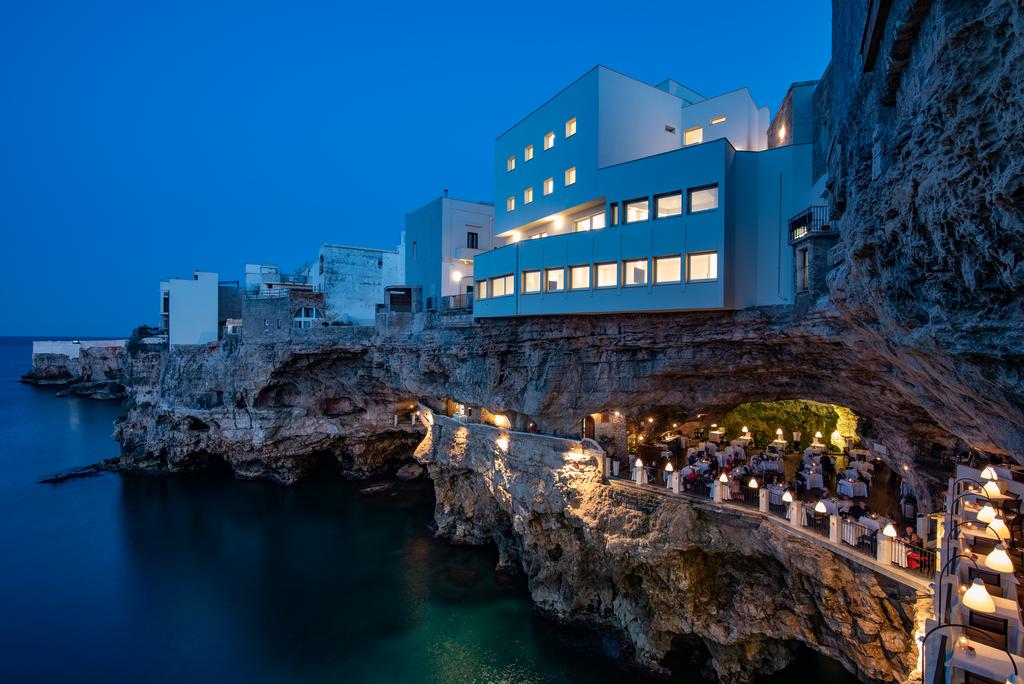
Hotel Grotta Palazzese Polignano a Mare
Naturalis Bio Resort is an exclusive Charming Residence, situated on a promontory with a view of the Salento countryside. Naturalis Bio Resort & Spa is the result of a fine and careful renovation of an ancient rural village surrounded by typical dry stone walls and protected by majestic old olive trees. A unique hotel facility, the most authentic rural tradition of Salento and our careful hospitality, perfectly come…
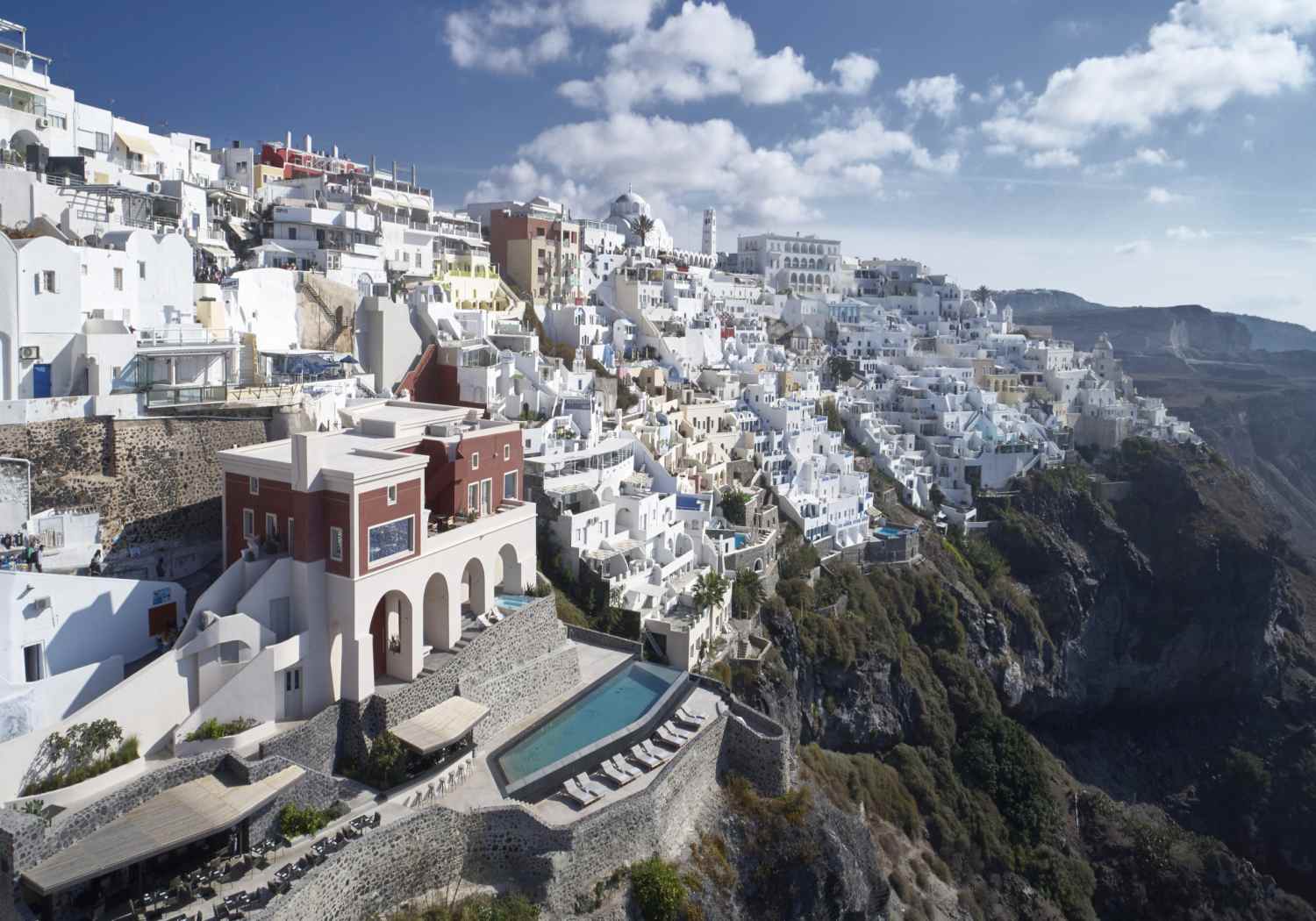
Villa Bordeaux Santorini
Inspired by the traditional architecture of the Cyclades, the exceptional Santorini Luxury Suites of Villa Bordeaux are part of an authentic neoclassical house. They have been restored so as to preserve the charm and character of a bygone era while at the same time offer all indulgences and comforts of modern life. Spacious, elegant and chic, all 4 luxury suites in Fira Santorini are fitted with fine furnishings and…
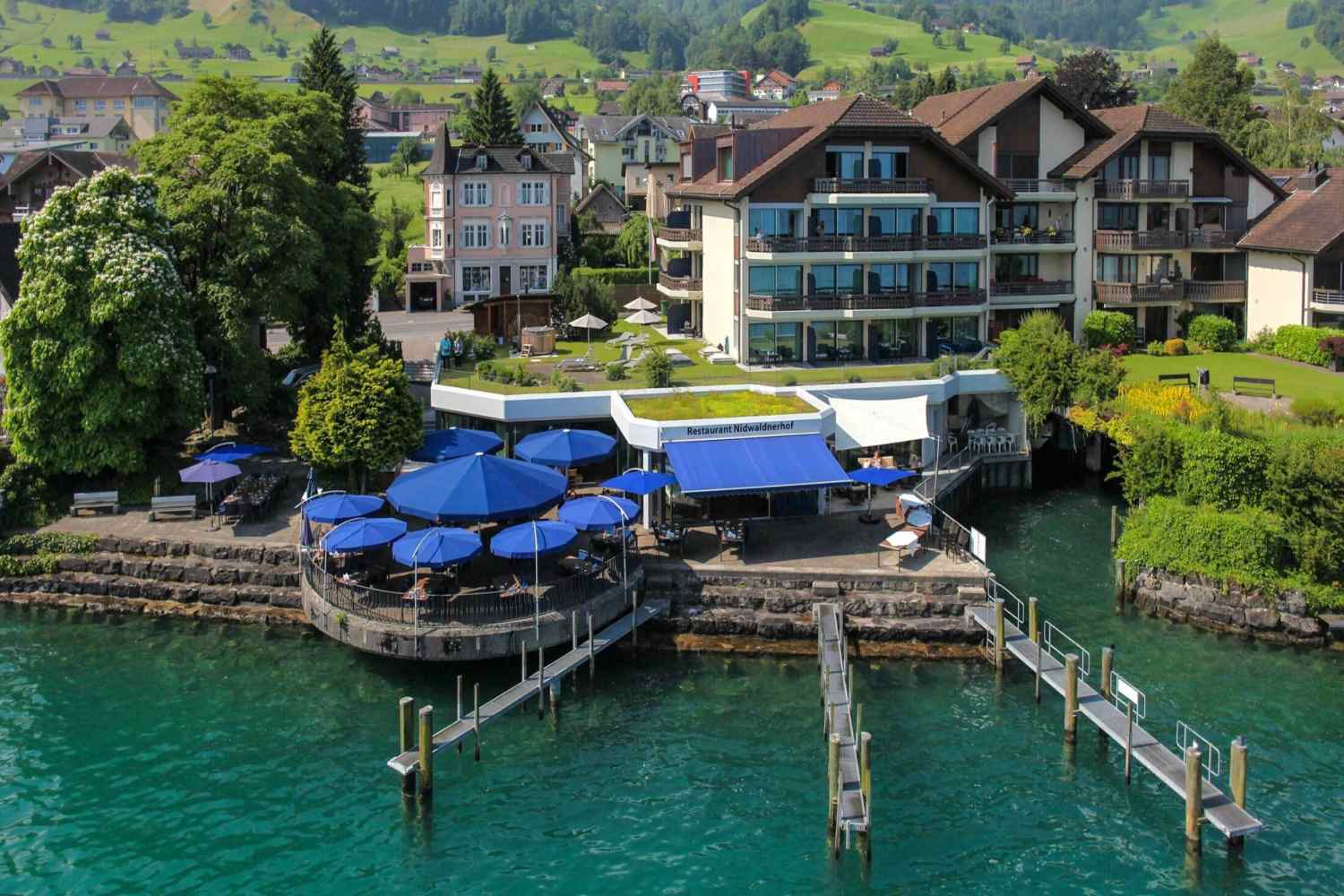
Hotel Nidwaldnerhof Beckenried
About 100 years ago the Nidwaldnerhof was known as Park-Hotel Nidwaldnerhof. “In a favoured, open location, with a large covered terrace, directly beside the lake. Many rooms with balconies. Music salon. Electric lighting. Shady park with 400 m of shoreline and magnificent all-round views. Choice cuisine…” according to the brochure available at the time. In 1979 the Park-Hotel Nidwaldnerhof was torn down and today’s…
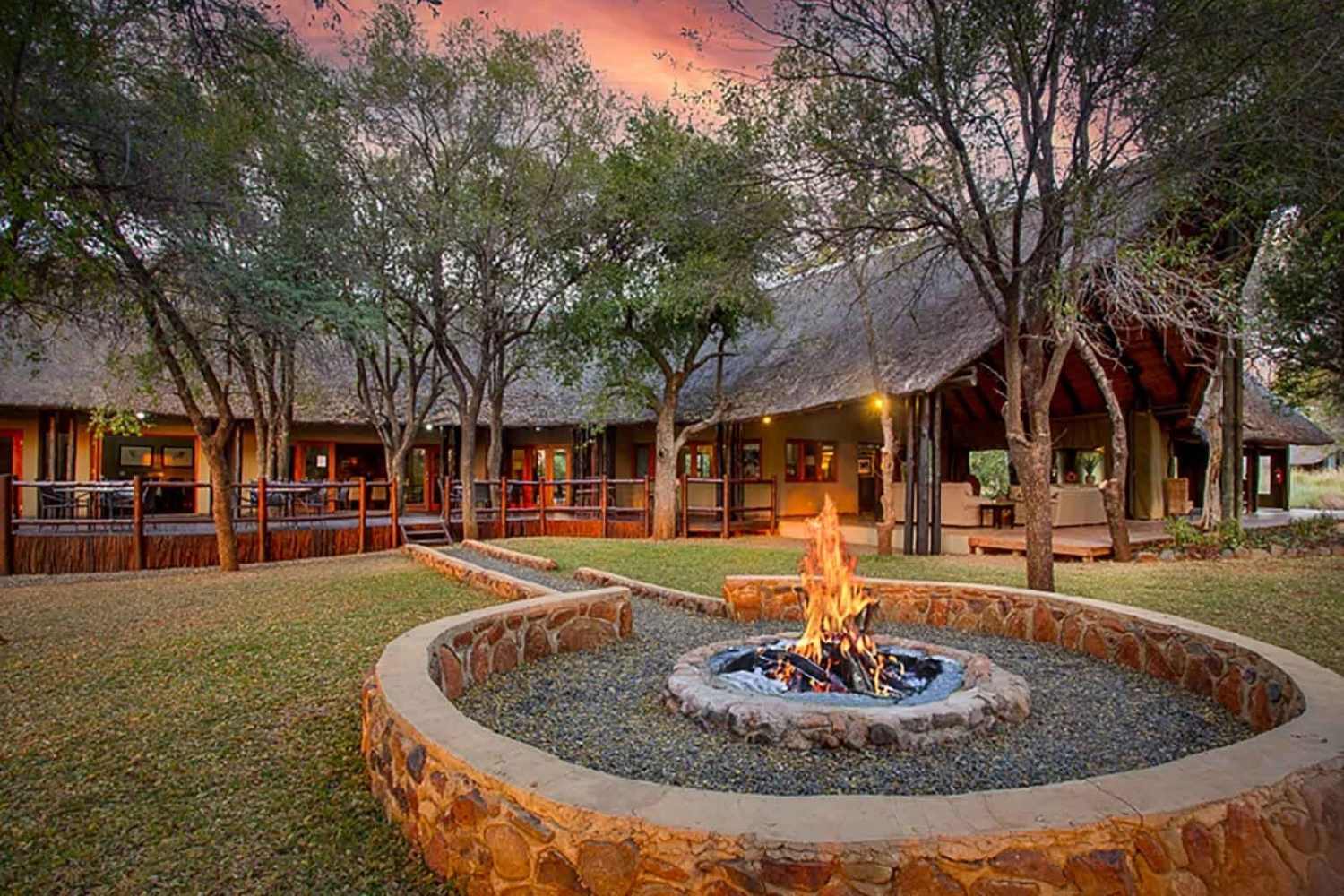
Black Rhino Game Lodge
Black Rhino Game Lodge is a luxury safari lodge located in the North West Province of South Africa, in the malaria-free Pilanesberg National Park. The lodge is situated in a prime location for game viewing, with access to over 55,000 hectares of wilderness. Black Rhino Game Lodge offers a variety of safari activities that allow guests to experience the beauty and wildlife of the African bushveld. The Pilanesberg National Park…
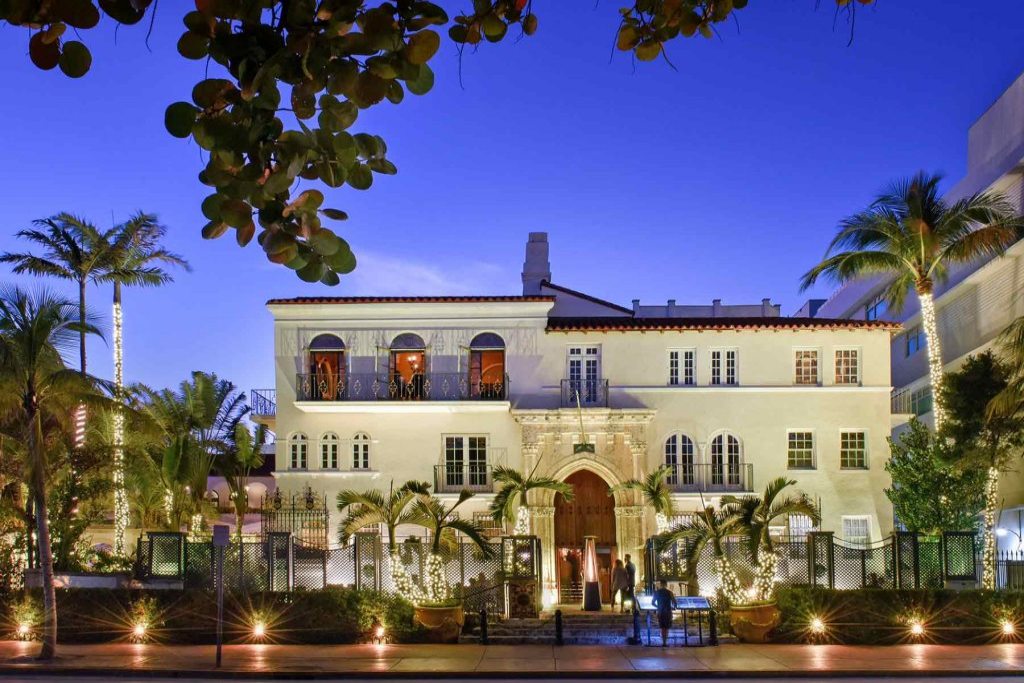
Casa Casuarina Miami
Casa Casuarina was built in 1930 by Alden Freeman. Alden Freeman’s father, Joel Freeman was Treasurer of The Standard Oil Trust (also known as Rockefeller’s Company) and left Alden a fabulous wealth when he passed away. That gave the young and wealthy Alden the opportunity to retire at the age of 27 from being an architect and travel all over the world. Alden was also a descendent of the Mayflower on his mother’s side…
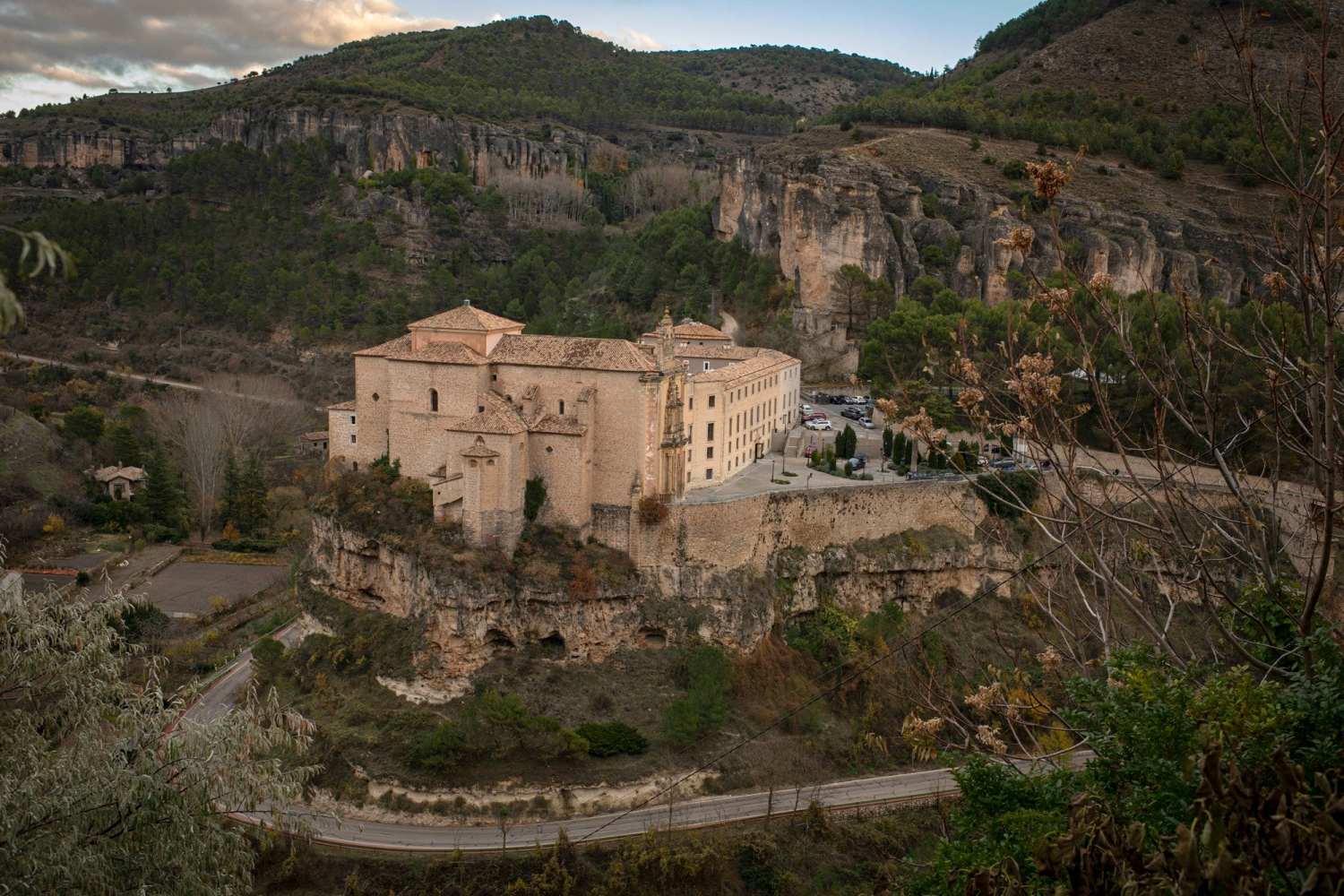
Parador de Cuenca
The Parador de Cuenca is a destination in itself. It’s located in a 16th century convent originally built for the Dominican order and it’s one of the most representative monuments of the city today. It’s located in one of the most special places in the city, next to the San Pablo bridge and opposite the Casas Colgadas or Hanging Houses. The convent of San Pablo has a beautiful glazed cloister with semi-circular arches and a…